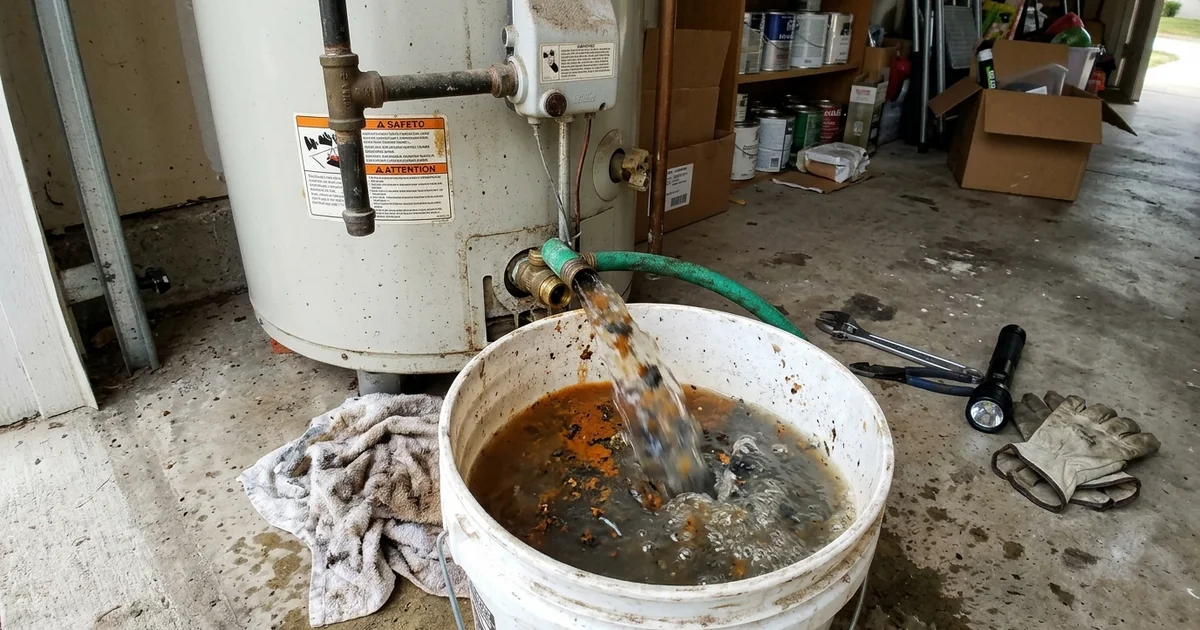
Ask around Prescott in January and you will hear the same complaint: the hot water does not last like it did in summer. Usually nothing is broken. The heater is simply doing more work than at any other time of year. Understanding why makes it easier to tell a heater that needs a tune-up from one that needs replacing.
The core idea: temperature rise
Every water heater’s job is measured by temperature rise, the difference between the water coming in and the temperature you want coming out. In summer, inlet water is relatively mild. In a Prescott winter, it arrives much colder. Every gallon needs a bigger rise, and that has knock-on effects:
| Effect | Tank heater | Tankless heater |
|---|---|---|
| Time to heat a full tank | Longer recovery | n/a |
| Hot water available per hour | Less | Fewer gallons per minute at the same set point |
| Burner or element run time | Longer cycles | Higher firing rate |
| What you notice | Showers run cool sooner | Weaker hot flow, especially with two fixtures open |
Four local conditions that add to it
1. Cold inlet water. The main driver, explained above.
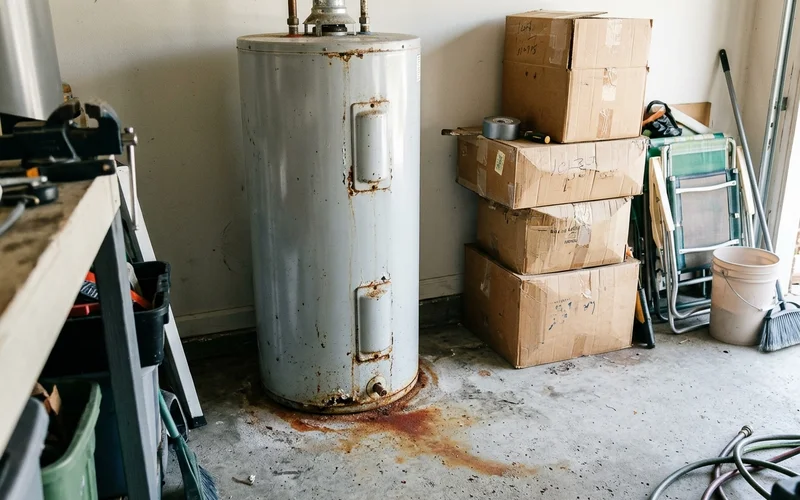
2. Unheated locations. Heaters in garages and crawl spaces sit in cold air. Heat escapes through the tank walls faster, and the pipes feeding the heater can freeze on the coldest nights.
3. Elevation. At about 5,300 feet, gas burners operate in thinner air. Manufacturers often specify settings or models for higher elevations. A unit not set up for altitude can run less efficiently.
4. Part-time use. Cabins and second homes see long idle stretches followed by heavy use when the family arrives. A heater that sat cold, or was drained and refilled, has to work hard right away.
Where water quality fits
The City of Prescott describes its water as moderately hard, so scale is not the main story here. Sediment still builds slowly on the tank bottom, and in winter that layer matters more, because the burner is firing longer and harder through it.
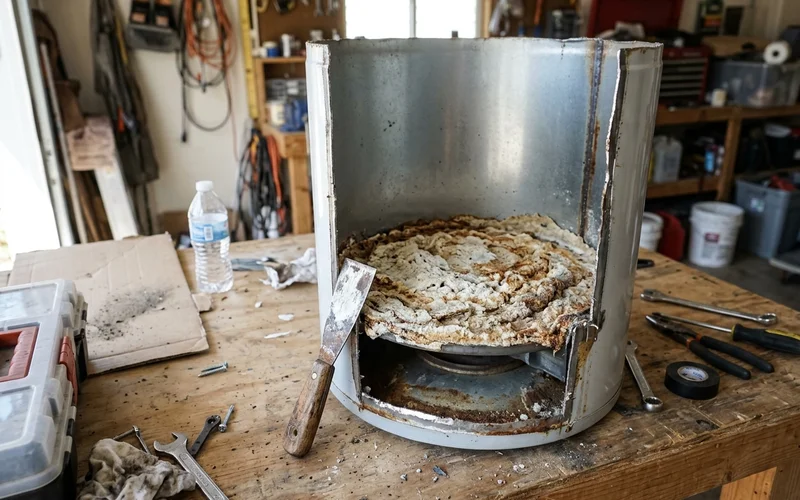
What happens over time:
- Sediment settles on the tank bottom, over the burner or around the lower element.
- It insulates the steel from the water, so heat builds up in the metal.
- Recovery slows further, right when winter has already slowed it.
- The overheated steel corrodes faster from the inside.
- Eventually the tank leaks, often at the bottom seam.
Local expert insight
A heater that struggles every winter is not always failing. Often it is slightly undersized for the household’s cold-weather demand, or carrying years of sediment. A flush and a sizing check in the fall answer that question before the first cold snap.
Warning signs, in the order they usually appear
- Hot water running out sooner, most noticeable in winter.
- Popping or rumbling while heating. Our guide on water heater popping and rumbling explains it.
- A gas or electric bill rising beyond your usual seasonal pattern.
- Rust in the hot water only, a sign the anode is spent.
- Moisture at the base. A fitting or relief valve can be repaired; the tank cannot.
Three habits that help
| Habit | When | Why it works |
|---|---|---|
| Flush the tank | Every year, ideally in the fall | Clears sediment before the heaviest-use months |
| Check the anode rod | Every few years | A worn rod leaves the steel unprotected |
| Insulate exposed pipes | Before the first freeze | Keeps supply lines from freezing and reduces heat loss |
Tankless owners have their own version: descale on schedule and confirm the unit is sized for winter inlet temperatures.
When it is time to replace
If you are replacing, size for winter, not summer, and ask whether the installer accounts for altitude. If you want to reduce sediment further, water softeners and reverse osmosis covers whether treatment is worth it on your water. Our water heater repair and replacement service covers flushes, anode service, repairs, and replacement. Call Prescott Plumbing Pros at any hour, in English or Spanish, request a free estimate, and ask about any service call fee before booking.