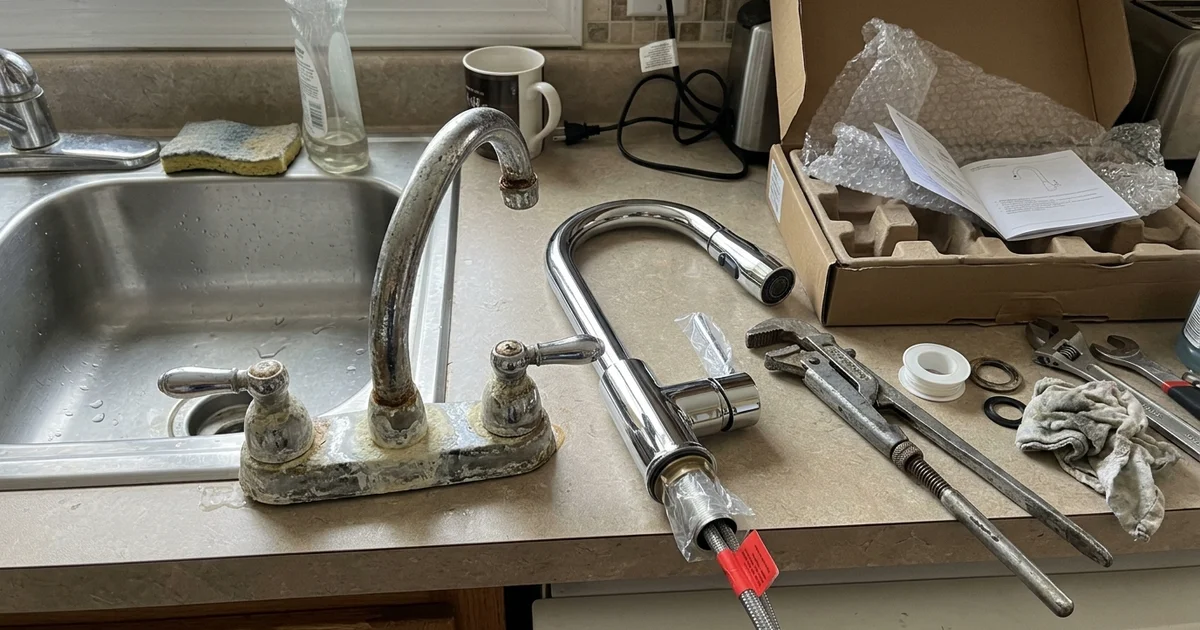
In very hard water regions, a softener is close to mandatory equipment. Prescott is not one of those places. The City of Prescott describes its water as moderately hard, averaging 75 to 130 ppm, or about 4.3 to 7.6 grains per gallon. At that level, untreated water will not wreck your plumbing quickly. So the real question is not “do I need one?” but “would one be worth it for my household?” Here is how to tell.
For more on what that number means, see how hard the water is here.
Signs a softener would actually help your home
Check the ones that apply:
| Sign | What it suggests | Weight |
|---|---|---|
| You are on a private well that tests harder than the city range | Your water is not the city’s water | Strong |
| You have a tankless water heater and a busy household | The heat exchanger will scale faster than a tank | Strong |
| Glass shower doors, fixtures, and dishes spot constantly and it bothers you | Comfort and cleaning time | Moderate |
| Skin and hair feel dry, and soap does not lather well | Comfort | Moderate |
| Your tank heater pops or rumbles despite yearly flushing | Sediment is building faster than expected | Moderate |
| Faucet cartridges or toilet parts wear out sooner than you expect | Mineral wear, though age is often the bigger factor | Mild |
Two or more “strong” or “moderate” checks and a softener is worth a serious look. Mostly “mild” or none, and routine maintenance is probably enough.
What moderate hardness costs you without treatment
Water heaters. Sediment builds slowly on the tank bottom. A yearly flush removes most of it. Without flushing, the layer grows over years and shortens tank life. Prescott winters already make heaters work harder on cold incoming water, so a clean tank matters.
Tankless units. These need periodic descaling regardless. A softener stretches the interval.
Fixtures. Light white crust on aerators and shower heads, easily cleaned with vinegar.
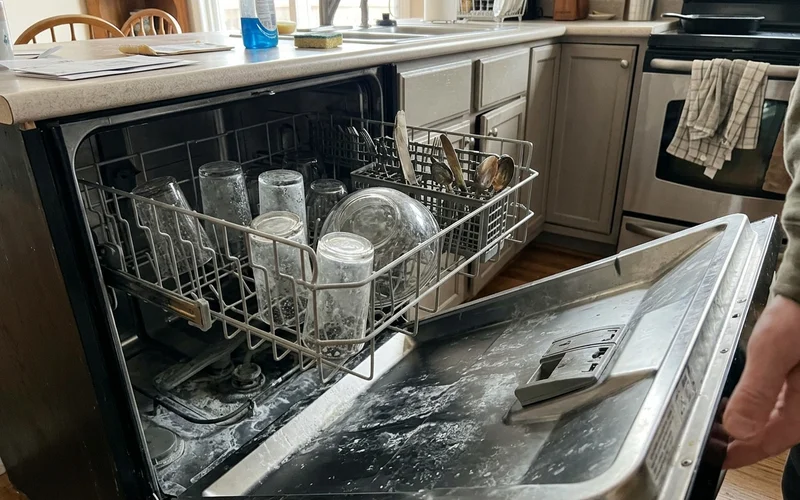
Dishwashers and washers. Some spotting and minor element scaling over time. Rinse aid helps with the dishes.
None of these are emergencies. They are maintenance tasks that a softener reduces.
What owning one really involves
| Ongoing item | What to expect at moderate hardness |
|---|---|
| Salt | Refills less often than in very hard water areas, but still a regular chore |
| Water for regeneration | Some water each cycle; less with a metered valve |
| Service | Occasional attention to the control valve over the years |
| Space and drain | A resin tank and brine tank near where water enters, plus a drain line |
| Freeze protection | The unit has to be somewhere that does not freeze, which rules out some garages and crawl spaces |
Local expert insight
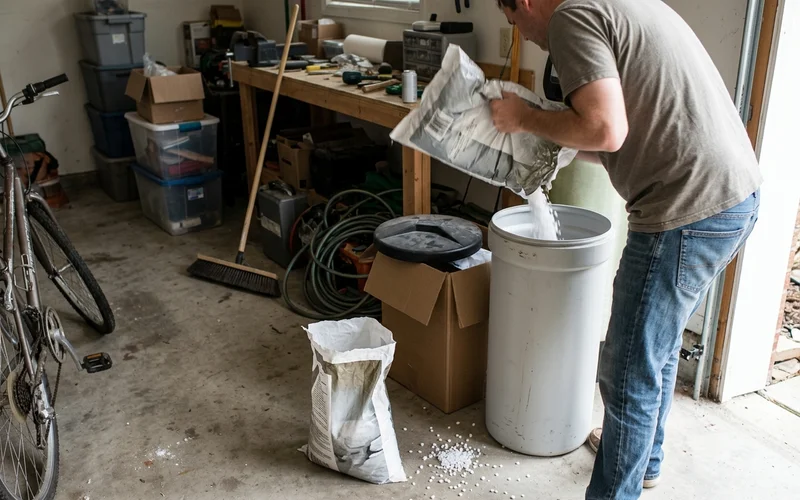
In this climate, placement matters as much as sizing. A softener in an unheated garage or crawl space can freeze and crack its valve or tank on a cold night. If the only spot near the main is unheated, plan for insulation or a different location before you buy.
When you can comfortably skip it
- You are on city water and none of the strong signs apply. Flush the water heater yearly, clean aerators, and move on.
- The house is a cabin or second home used part of the year. Less water through the equipment means less buildup.
- There is no heated space and no drain near the main. The installation becomes harder to justify.
- Selling soon. The next owner gets most of the benefit.
What a softener will not fix
It will not make water taste better; reverse osmosis at the kitchen tap does that. It will not stop rusty water from aging galvanized pipes, which is common in older central homes and is a piping problem, not a hardness problem. And it will not protect pipes from freezing.
Our water softeners and reverse osmosis service starts by testing the water at your tap, then gives you a straight answer, including “you do not need one.” Contact Prescott Plumbing Pros for a free estimate, answered in English or Spanish at any hour, and ask about any service call fee before booking.